
Powerful Mobile Marketing Strategies You Must Try
The accelerated innovation in mobile technology and increased global penetration of smartphones have significantly changed the marketing environment.
Mobile marketing consists of promotional activities particularly designed for mobile devices. These devices include tablets and smartphones, having a medium of communication such as mobile applications and websites, SMS, MMS, e-mail, and push notifications.
As consumers frequently use mobile devices for shopping, entertainment, and communication, businesses are changing their focus toward mobile-centric marketing techniques to attract customers and increase sales.
Evolution of Mobile Marketing
In the early 2000s, mobile marketing was limited to SMS-based campaigns, and these techniques were limited in reach and personalization. However, the innovation of smartphones and app stores in the late 2000s has exponentially increased the importance of mobile marketing.
Businesses obtain access to such platforms that allow rich media content, immediate interaction with customers, provide location-based services, and gain personalized experiences.
In today’s mobile marketing, there are a lot of techniques, including in-app advertising, mobile search ads, touch-friendly e-mail marketing, and location-based marketing.
These expansions are mostly driven by advanced mobile operating systems, increased mobile internet speed (4G, 5G), and the involvement of Artificial Intelligence (AI) and data analytics.
Key Strategies in Mobile Marketing
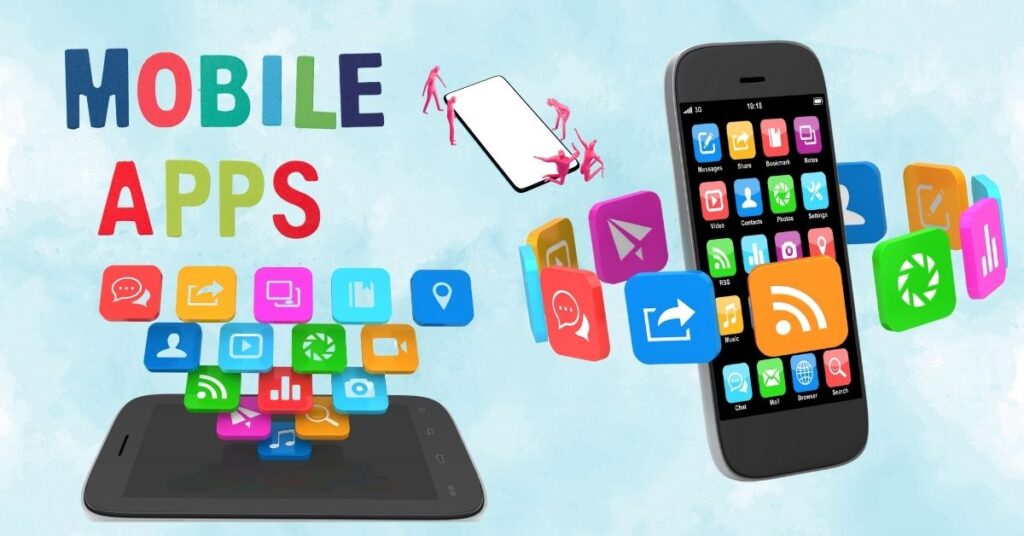
Mobile Applications (Apps)
Apps are potentially the most direct and engaging mobile marketing tools. Brands utilize these apps to develop a personalized ecosystem that increases user engagement via content, notifications, engagement programs, and consistent shopping experiences. For instance, Starbucks’ mobile app incorporates ordering, payments, and rewards into a unified dashboard, pushing both sales and customer retention.
SMS and MMS Marketing
Short Message Service (SMS) remains a top-performing mobile marketing strategy due to high open rates. Businesses utilize this strategy for appointment reminders, value-added offers, and incentive alerts.
Multimedia Messaging Service (MMS) offers the addition of images, audio, and video to attract more. Undoubtedly, these tools are now considered old, but they maintain importance due to their simplicity and accessibility across devices.
Mobile Search Advertising
With the supremacy of mobile internet usage, Google emphasizes mobile-optimized websites. Mobile search ads are tactically placed based on keywords, demography, and consumer behavior. These ads frequently link directly to mobile-optimized landing pages, enabling consistent and logical user flow.
Location-Based Marketing
Location-based services (LBS) offer marketers the ability to engage users based on their geographical location. Geofencing is the technique used in LBS that allows businesses to send notifications or ads when users enter a specific area or state.
For example, retail stores announce deadline-driven offers in order to engage nearby customers, so with the help of these strategies, they can optimize foot traffic and conversion rates.
Push Notifications
Typically, Push notifications are alerts sent by businesses to users who have installed an app and registered. These messages can disseminate the latest updates, send reminders for some subscriptions, and targeted offers.
The efficiency of push notifications merely depends on timing, significance, and frequency, as extreme use may lead to user disengagement or app uninstall.
Personalization and Data Analytics
One of the characteristics of mobile marketing is the ability to offer personalized content. Mobile devices produce huge amounts of user data, including usage of applications, browsing history of individuals, demographic preferences, and their purchasing behavior.
Businesses use analytical tools and data algorithms to personalize their audiences and adjust their campaigns accordingly.
Personalized marketing increases user experience and enhances the possibility of conversion. For example, mobile e-commerce platforms recommend products based on the latest purchases and browsing behavior of users. Although the dependence on user data increases concerns related to data privacy, tracking, and the consent of users.
Current Trends in Mobile Marketing

Voice Search Optimization
The expanding use of voice assistants like Siri, Google Assistant, and Alexa has led to a shift in search behavior. Businesses are improving content for voice-based queries, which tend to be more communicative and targeted. This tendency emphasizes the need for long-tail keywords and human language in mobile SEO procedures.
Augmented Reality (AR) Experiences
Augmented Reality (AR) technology has revealed advanced features in mobile marketing. Businesses use AR to provide interactive product experiences. For instance, IKEA’s mobile app permits users to display how furniture would look in their homes. It not only improves engagement but also reduces purchase uncertainty and hesitation.
Mobile Commerce (m-Commerce)
Mobile commerce exhibits continued growth, driven by user-friendly apps, smartphone wallets, and instant payment systems. Mobile efficiency maximization of websites and apps is most important for reducing cart abandonment and improving the shopping experience. As per Statista (2024) findings, more than 70% of e-commerce sales have been made through mobile devices internationally.
Social Media Integration
Mobile marketing introduced many user-friendly social media platforms like Facebook, TikTok, Twitter, and Instagram to get high engagement for the brand’s promotion. Businesses participate in cooperative initiatives with top social media influencers and use mobile apps to provide easy access for shopping. Stories, reels, and short videos are commonly used to increase engagement and brand reliability.
Short-Form Video & Social Commerce
The involvement of the most popular social media platforms like Facebook, Instagram Reels, Tiktok videos, and YouTube Shorts is dominating user attention.
Ethical Considerations and Privacy Concerns
While mobile marketing provides a lot of benefits, it also has an ethical dilemma, particularly concerning user privacy. Marketers used cookies and device IDs that allow them to collect personal data of users. These practices may violate users’ rights without proper transparency and lead to legal consequences.
According to Martin & Murphy, the marketers must ensure compliance and develop trust through ethical data practices and a clear privacy policy. Moreover, there are also concerns about digital addiction and disruption. Excessive push notifications, targeted ads, and alerts may saturate users, minimizing the perceived value of the brand and enhancing digital fatigue.
Measuring the Effect of Mobile Marketing
Numerous metrics exist to measure the effect of mobile marketing:
• Click-Through Rate (CTR)- Number of users who click on a particular link or ad to the total number that is viewed.
• Conversion Rate- The number of users performing desired actions to the number of users engaging with a specific feature.
• App Retention Rate- Measures the number of users who keep using an application over a certain period.
• Customer Lifetime Value (CLV)- The aggregate expected income a company can gain from one customer within a specified timeframe.
• Return on Investment (ROI)- Measures the profit from an investment in terms of the investment made to implement the campaign or investment.
These metrics can be tracked regularly with Google Analytics for Mobile, Firebase, and Mixpanel, allowing regular mobile marketing optimization and quick decision-making.
Conclusion
Mobile marketing is no longer a fad but a key support of new marketing practices. It can provide persons with information that is personally relevant, timely, and conditionally applicable.
Although technological and strategic fronts are being framed, companies need to reconcile innovation with ethical sensitivity so that the privacy of users is respected.
Future innovations, including 6G networks, automation through AI, will redesign mobile marketing further. Companies adopting a customer-centric approach, backed by data analysis and by ethical methods, will be best placed to lead the progressively mobile-first digital economy.
Related Articles:
- Best Marketing Tools In An Advertising Plan
- Mastering Revenue Expenditure for Business Success
- Market Research And Its Importance: A Comprehensive Review
- What You Should Know? Notes Payable And Accounts Payable
- Digital Marketing And Strategies: A Comprehensive Review with Examples
- Are Annuities the Best Investment for a Bright Future? A Comprehensive Analysis
- Understanding Capital Expenditure: Definition, Significance, and Its Association in Financial Decision-Making
- Difference Between Accounting And Finance: A Proven Comprehensive Guide For Beginners
- Difference between Annuity due and Ordinary Annuity