Best Marketing Tools In An Advertising Plan
As the corporate world varies quickly, marketing tools are becoming more and more important for creating an advertising plan that works. Businesses employ many different methods to reach their target audience, establish brand awareness, and ultimately increase sales.
These vary from traditional print media to new digital platforms. This article talks about the many kinds of marketing tools, why they are important, and how they may help you design and carry out successful advertising campaigns.
Learning About Marketing Tools
Businesses and marketers utilize marketing tools to offer goods and services. These tools include systems, channels, software, and methodologies. They are digital tools that aid in marketing tasks, including running campaigns, keeping track of and analyzing customer behavior, and looking at the outcomes. Big and small to medium-sized businesses (SMEs) require them to be competitive in critical parts of the economy.
There are two primary kinds of marketing tools:
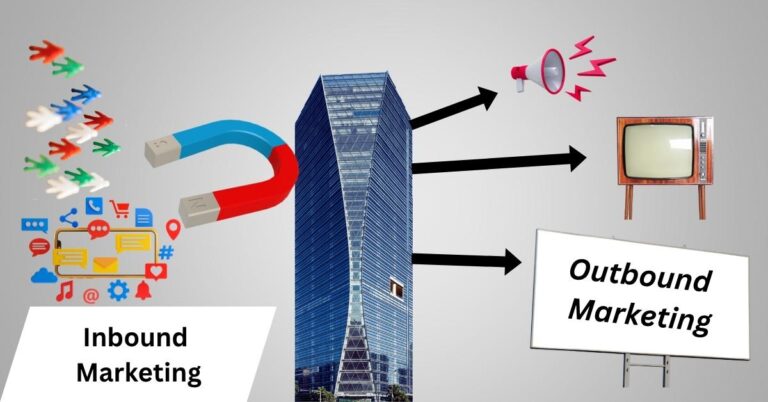
Traditional Marketing Tools
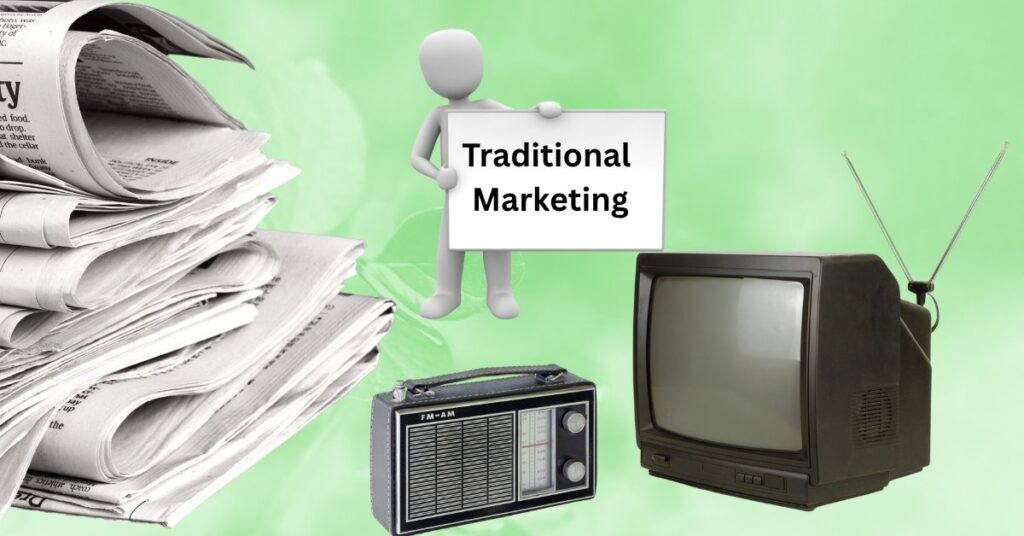
Radio, TV, print commercials, billboards, brochures, and direct mail are all examples of classic marketing tactics.
Digital Marketing Tools
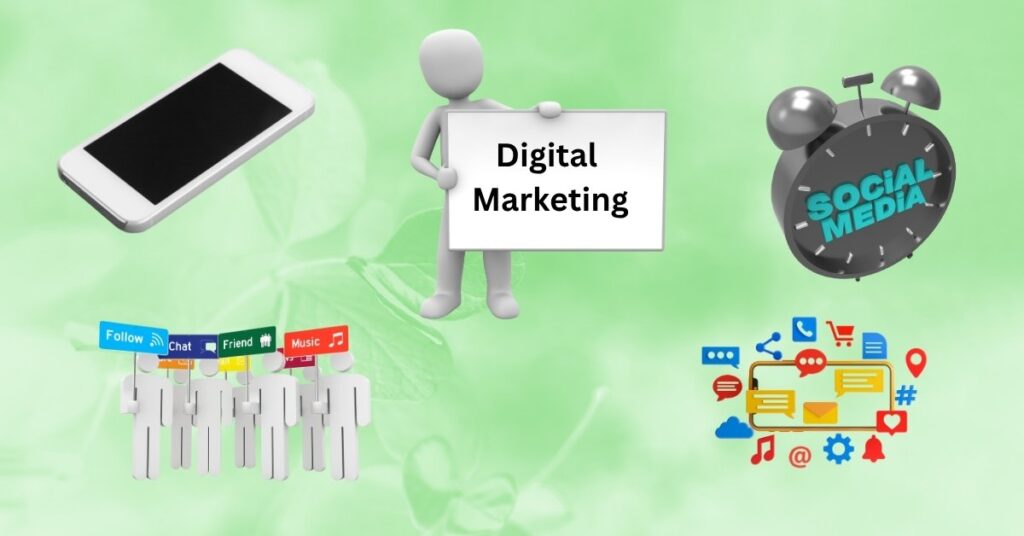
These contain digital marketing tools like social media, analytics software, SEO tools, content management systems, and advertising platforms to reach their target audience.
The perfect combination of these techniques can be the basis for a better advertising plan.
What Marketing Tools Do You Use In An Advertising Plan?
Enhancing Targeting and Segmentation
Better targeting and dividing up. One of the most crucial things about a good advertising campaign is finding the correct audience. Google Analytics, Facebook Ads Manager, and Customer Relationship Management Systems are all examples of the latest marketing technologies that offer marketers a huge amount of information on their customers’ demographics, behaviors, and preferences.
These tools allow businesses to divide their customers into categories based on things like age, geography, hobbies, and prior purchases. It makes sure that advertisements are tailored to each person.
For example, a clothing manufacturer may prioritize Facebook Insights to see that its biggest customers are women between the ages of 18 and 34. Instagram insights may help a clothes firm figure out the target market of women between the ages of 18 and 34. Then, they could adjust the design and substance of their commercials to better appeal to this demographic target audience.
Streamlining Campaign Management
Some marketing tools like HubSpot, Mailchimp, and Hootsuite help businesses run their campaigns for a wide range of target audiences. This method is quite useful for omnichannel marketing, which is when a firm wants to send the same message across all of its websites, emails, social media, and search engines.
Automation technologies make sure that advertisements are being broadcast at the right times, which attracts more people to see them and interact with them. You may build up email marketing systems to send out promotional emails at times when people are most likely to read them.
Content Creation and Branding
Making content and a brand identity. It’s not enough to merely show off a product; you also have to tell a story. Several marketing tools like Canva, Adobe Creative Cloud, and Lumen5 help marketers create professional-looking and eye-catching content quickly. These tools allow you to develop social media posts, video advertising, infographics, and brochures that all have the same style and feel.
People give attention and stay loyal to your brand when you have good content. If small companies employ the correct technology, they can generate high-quality advertising that gets people interested, even if they don’t have a lot of money.
Budgeting and Cost Efficiency
You need to arrange your money carefully if you want to do good advertising. Advertisers may establish daily or campaign-specific budgets, select between cost-per-click (CPC) or cost-per-impression (CPM) models, and monitor results in real time on platforms like Google Ads, Facebook Ads, and LinkedIn Campaign Manager.
This degree of control stops individuals from spending too much and makes sure that every dollar spent on advertising has outcomes that can be measured. Also, A/B testing tools help marketers try out several variations of an ad to find the one that performs best. This data-driven method cuts down on guessing, making it easier to make the campaign better, and saves money.
Performance Measurement and Analytics
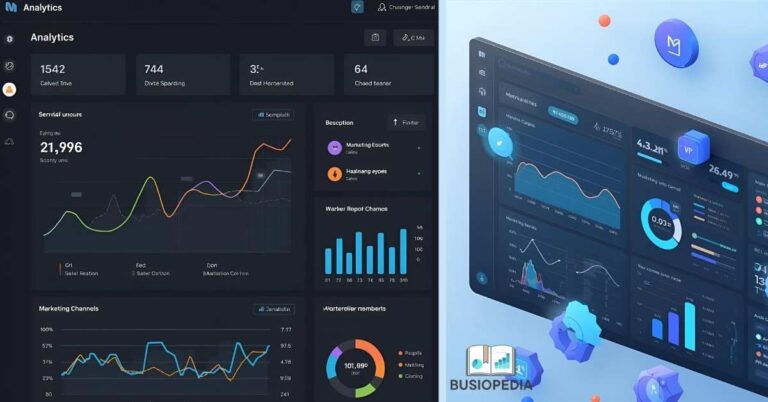
Review of performance and analytics. One significant thing about current marketing tools is that they let you keep track of and evaluate how well your ads are functioning. Some tools that provide you with real-time statistics on things like impressions, click-through rates, conversions, return on ad spend (ROAS), and bounce rates are Google Analytics, Facebook Pixel, and SEMRush.
To determine a good and poor element, this evaluative input is needed. If a video ad doesn’t generate a lot of views, the marketers may modify the content, the thumbnail, or the call to action. These solutions enable you to continuously make your adverts function better depending on what real people do.
Competitive Analysis
Looking at the competition, you can make better strategic choices if you know what your competitors are up to. Companies may utilize Ahrefs, BuzzSumo, and SpyFu to get a closer look at their rivals’ keywords, backlinks, content efficacy, and advertising plans.
This information helps you uncover market gaps, advance your marketing, and remain in front of your competitors. With competitive intelligence, organizations may see what other businesses have done effectively and poorly, change how they advertise, and take advantage of new market possibilities.
Customer Relationship Management
Keeping track of ties with clients. Getting new clients is only part of marketing; maintaining the ones you already have is just as important. Salesforce, Zoho CRM, and Pipedrive are some examples of tools that allow organizations to keep track of their customers, see what they’ve bought in the past, and send them follow-up communications that are specific to them.
Advertising platforms may connect these solutions to make tailored ad campaigns depending on how the customer interacts with the product. You may send a consumer who leaves their shopping cart a tailored ad or email with a special deal.
This technique boosts revenue and builds stronger ties with clients. Some common marketing tools used in an advertising plan.
Popular Marketing Tools Used In Advertisement Strategy
- Advertising: Show adverts and run searches. A way to control Facebook advertisements: Promote advertisements on various social media platforms. Make and run advertisements on Facebook and Instagram.
- Canva Design develops designs for commercials and other visual media. Using Mailchimp for Email Marketing, send out emails and newsletters that have advertising in them.
- SEMrush for SEO and Analytics Checking out keywords and competition Managing social media using Hootsuite Keep track of and organize postings on social networking.
- HubSpot’s solutions for managing and automating your connections with customers include handling leads, email marketing, and data analysis.
Conclusion
In the era of digital age, marketing tools are a must for any advertising plan. These technologies help businesses locate the proper people to market to, run their campaigns successfully, provide interesting content, and correctly assess how well they are doing.
Businesses may use marketing tools to obtain the information and designs they need to make wise decisions and meet their advertising objectives, whether they are bringing a new product, entering a new market, or changing their brand. Marketing tools will grow more useful and diversified as technology improves.
Businesses need to know about the latest technologies, invest in the correct portfolios, and always manage their ads to keep up with changing consumer behaviors and industry trends to stay competitive. In the end, being imaginative isn’t enough for excellent advertising. It means using smart tools and innovative ways of saying things to acknowledge the right information to the right people at the right time.
Related Articles:
- Mastering Revenue Expenditure for Business Success
- Market Research And Its Importance: A Comprehensive Review
- What You Should Know? Notes Payable And Accounts Payable
- Digital Marketing And Strategies: A Comprehensive Review with Examples
- Are Annuities the Best Investment for a Bright Future? A Comprehensive Analysis
- Understanding Capital Expenditure: Definition, Significance, and Its Association in Financial Decision-Making
- Difference Between Accounting And Finance: A Proven Comprehensive Guide For Beginners
- Difference between Annuity due and Ordinary Annuity
- Essential Accounting Software for Small Enterprises